
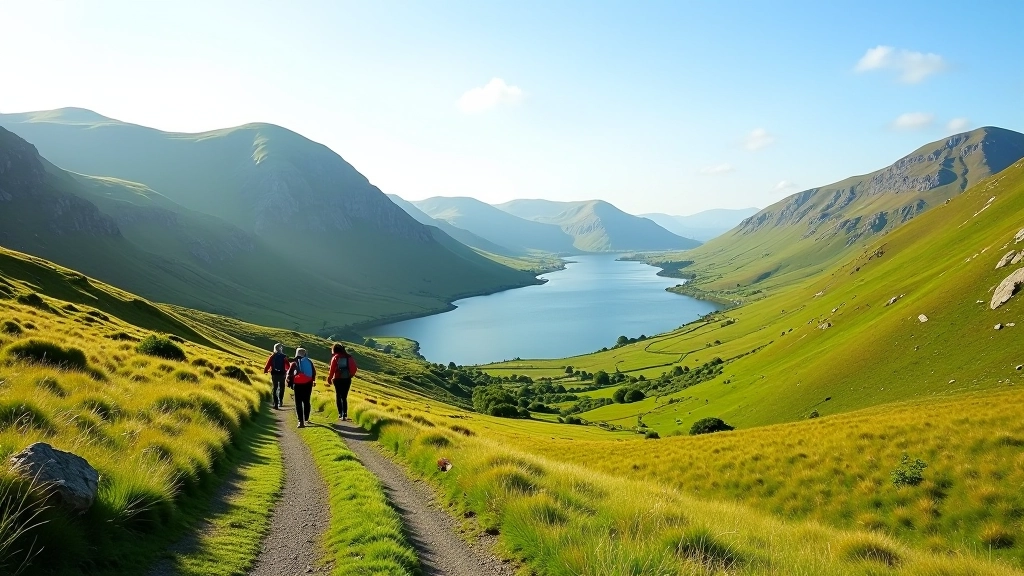
Safety First — Weather and Navigation Tips
Mountain weather changes fast. We cover what to watch for, how to read basic maps, and when it's better to turn back and come another day.
9 min read
All Levels
June 2026
Why Safety Matters on the Mountain
You're heading out for a walk. It's not a technical climb or a serious expedition — just a few hours on a well-marked trail in Kerry. But here's the thing: mountain conditions change without warning. What starts as a clear morning can turn cloudy in minutes. A breeze becomes wind. And if you're not prepared, that's when people get into trouble.
We're not trying to scare you. We just want you to be smart. Most accidents happen because walkers didn't check the forecast, didn't bring the right gear, or didn't recognize when conditions had shifted. None of that's complicated to fix. A few simple habits — checking weather, carrying a map, knowing your limits — and you're already miles ahead of the curve.
Reading Mountain Weather
The Irish mountains aren't high, but they're exposed. That means weather can be extreme. Wind speeds increase with altitude — roughly doubling every 300 metres you climb. A 20 km/h breeze at sea level might be 40 km/h at 500m elevation. Add in rain or poor visibility, and suddenly you're in a genuine challenge.
Start with a proper forecast. Not just a general one — use a mountain-specific weather app. MeteoEireann's forecast is solid. Check wind speed, not just rain probability. If winds are above 40 km/h, reconsider. If visibility is forecast below 100m (that's common in cloud), you'll need map and compass skills. Don't rely on phone GPS alone.
The Cloud Ceiling Rule
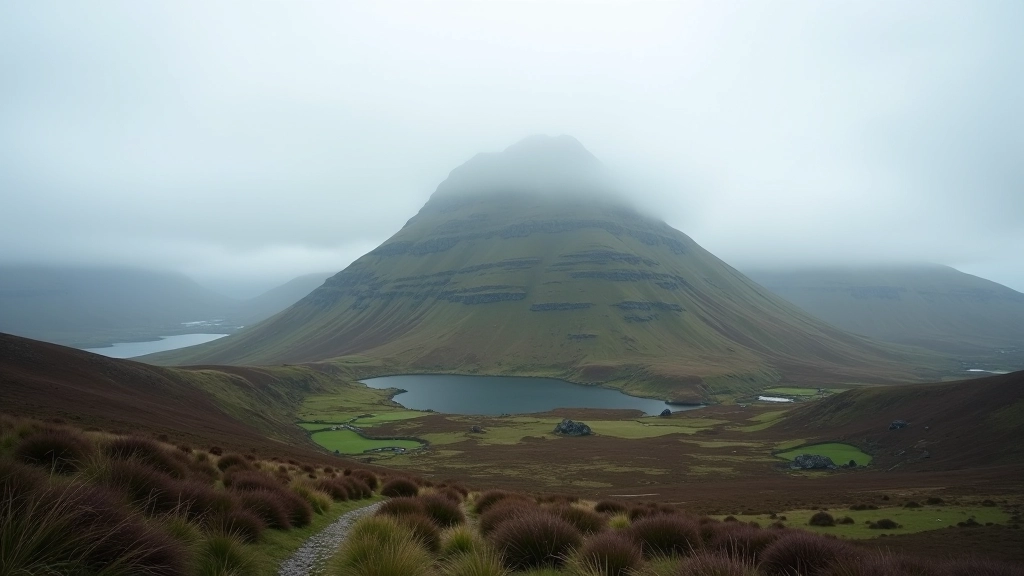
If cloud is sitting at or below 400m elevation when you start, and you're heading above that height, you'll be walking in fog. It's disorienting and visibility drops to 10-20m. It's still doable — but only with navigation skills and confidence. If you're unsure, pick a lower route or wait for clearer conditions.
Navigation Skills You Actually Need
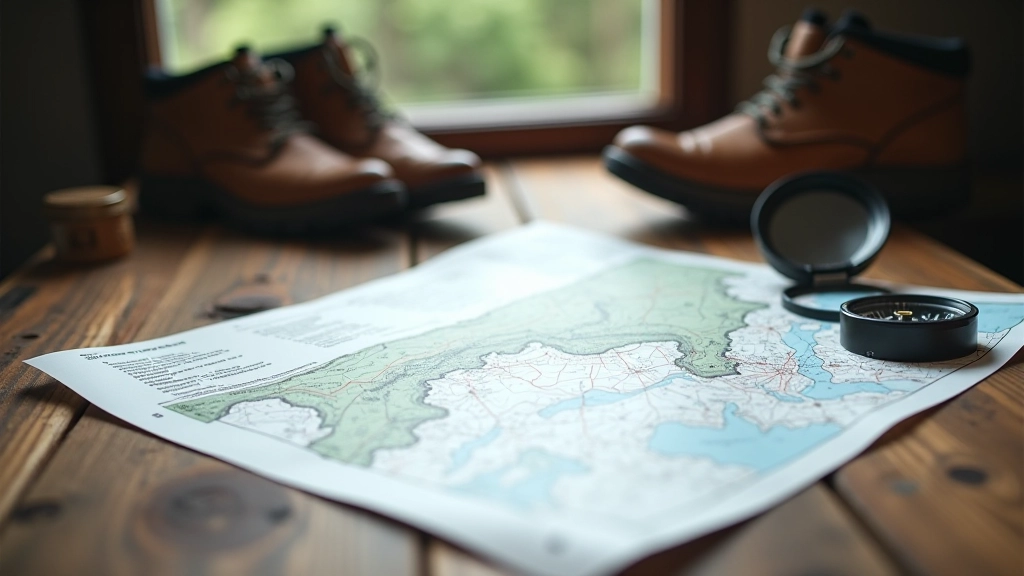
Your phone will die. Battery runs fast in cold. Signal drops in valleys. So you need to navigate the old-fashioned way — with a map and compass. Don't panic. You don't need to be an expert. You just need three skills.
1
Identify landmarks
Before you leave, study the map. Spot 3-4 obvious landmarks on your route — a hilltop, a stream junction, a distinctive rock formation. Know what they look like from different angles.
2
Follow contours
The contour lines on a map show elevation. If you're climbing, the lines get closer together. If you're descending, they spread out. Stick to the pattern you expect. If it changes unexpectedly, you've gone off course.
3
Use the compass
Align the compass baseplate with your route on the map. Rotate the compass housing until the orienting lines match the grid lines. The direction arrow now points the way you should walk. Check it every 10-15 minutes in poor visibility.
Essential Gear for Safety
You don't need fancy kit. You need reliable kit. Here's what actually matters.
Map and Compass
1:50,000 scale map of your area — that's the Irish National Grid maps. A basic orienteering compass costs €10-15. You'll use them when your phone can't.
Layered Clothing
Base layer (merino wool or synthetic), mid layer (fleece), waterproof jacket and trousers. You can take off layers if you're warm. You can't add what you didn't bring.
Water and Food
At least 1.5 litres of water. Energy comes from snacks — nuts, bars, fruit. Low energy means poor decisions. Proper nutrition keeps your mind sharp.
Light Source
Headlamp with extra batteries. Walks take longer than expected. If you're out past dusk, you'll need light. It's non-negotiable.
Communication
Fully charged phone with emergency contacts saved. If you're hurt or lost, a phone is your lifeline. Keep it in a waterproof bag to protect the battery.
First Aid Kit
Blister treatment, bandages, pain relief, antihistamine cream. A twisted ankle or blister can stop a walk. Small kit handles most common issues.
Knowing When to Turn Back
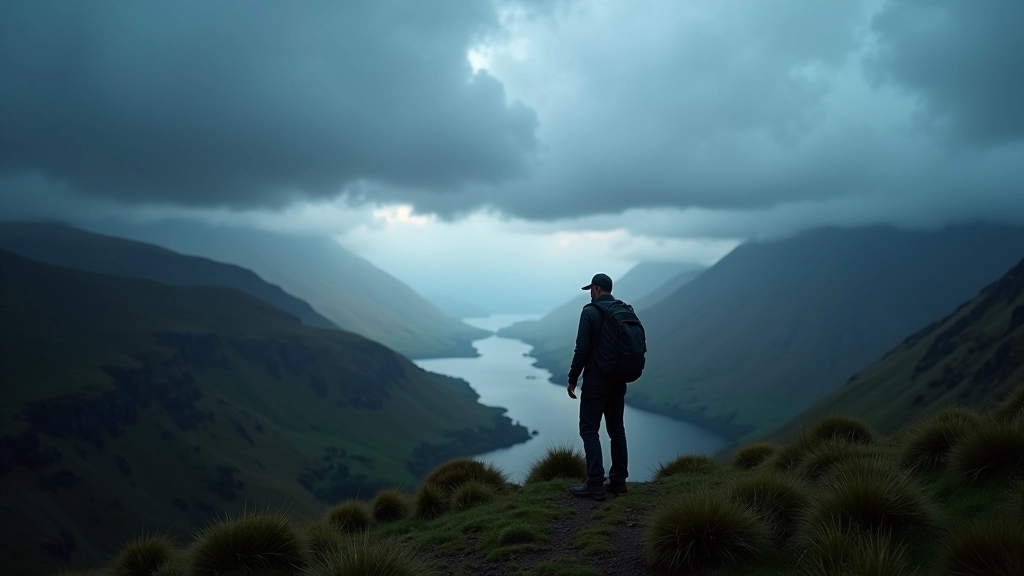
This is the hardest decision. You've hiked for an hour, you're feeling good, and the summit isn't far. But conditions are deteriorating. Visibility is dropping. Wind is picking up. It's not dangerous yet, but it's heading that way.
Turn back. Seriously. There's no shame in it. The mountain will be there next week when conditions are better. Some of the best mountain walkers are the ones who know when to quit.
"The summit doesn't care if you reach it today. Your family cares if you get home safely. Priorities."
— Mountain rescue saying
Specific trigger points: If visibility drops below 50m, turn back. If wind gusts are knocking you off balance, turn back. If anyone in your group is struggling or anxious, turn back. If you've lost the path and aren't certain where you are, turn back. These aren't failures. They're good judgment.
If Things Go Wrong
You've done everything right. But someone's twisted an ankle. Or you've realized you're genuinely lost. What now?
Stop Moving
Don't wander further. Stay where you are. Sit down. Take a few minutes. Panic makes everything worse. You'll think more clearly when you're calm.
Call for Help
Ring 999 or 112. Tell them where you are (describe landmarks, read grid references from your map), what the problem is (injury, lost, weather), and how many people are with you. Emergency services will know where to find you.
Signal Your Location
Stay visible. If you have a whistle (three 3-second blasts is the distress signal), use it. Keep your phone charged and active so rescuers can track you. Wear bright colours. Don't hide.
Wait for Rescue
Don't try to self-rescue if you're injured. Don't keep moving if you're lost. Stay put. Use your layers to stay warm. Drink water. Mountain rescue knows what they're doing. They'll find you.
Important Safety Disclaimer
This guide is informational and educational. It covers general mountain safety principles, but mountain conditions vary greatly and change constantly. Weather forecasts can be inaccurate. Terrain difficulty is subjective. Your fitness and experience level matter.
Before any mountain walk, check current weather with MeteoEireann or Met Éireann. Tell someone where you're going and when you'll return. Consider hiring a qualified mountain guide if you're unfamiliar with navigation or the area. Know your own limits. If you're injured or in genuine distress, contact emergency services immediately by ringing 999 or 112.
The Bottom Line
Mountain walking doesn't have to be risky. You're not climbing Everest. You're walking on Irish hills. But you're doing it in a real mountain environment where things can change fast. A little preparation, some basic skills, and honest judgment about your limits — that's all it takes.
Check the forecast. Bring the right gear. Learn to read a map. Know when to turn back. Do those things, and you'll have brilliant days in the mountains for decades. The views are worth it. Your safety makes it possible.

Author
Síle O'Sullivan
Senior Hiking Guide & Accessibility Specialist
A Kerry-based hiking guide specialising in accessible mountain routes for older adults, with 16 years of experience and qualifications from UCC.
Related Reading
The Glanmore Lake Loop — Step-by-Step Route
Detailed breakdown of the easiest approach to Glanmore Lake. Rest spots marked, terrain described, and realistic timing for each section.
Pacing Yourself — A Realistic Approach
There's no rush. Learn how to build distance gradually, recognize when you need a rest, and finish feeling strong rather than exhausted.