Pacing Yourself — A Realistic Approach
There's no rush. Learn how to build distance gradually, recognize when you need rest, and actually enjoy the mountain instead of rushing through it.
Mountain hiking isn't about speed — it's about getting to the top feeling good, not destroyed. Whether you're training for Healy Pass or tackling Glanmore Lake, proper pacing makes all the difference between a day you'll remember and one you'll regret.
Why Pacing Actually Matters
Here's the thing: most people start too fast. You'll see them sprint the first kilometer, breathing hard, legs already tired. By the halfway point they're struggling. By the end they're crawling.
Proper pacing isn't about being slow. It's about being smart. It's about understanding your current fitness level, knowing how mountains work, and respecting that climbing takes energy management. You're not in a race. You're in the mountains for 6-8 hours. That's plenty of time.
The good news? Pacing is a skill you can learn. It gets better with practice. Within a few hikes you'll develop a feel for what works for your body, your fitness, and your goals.
Start Slow — Seriously Slow
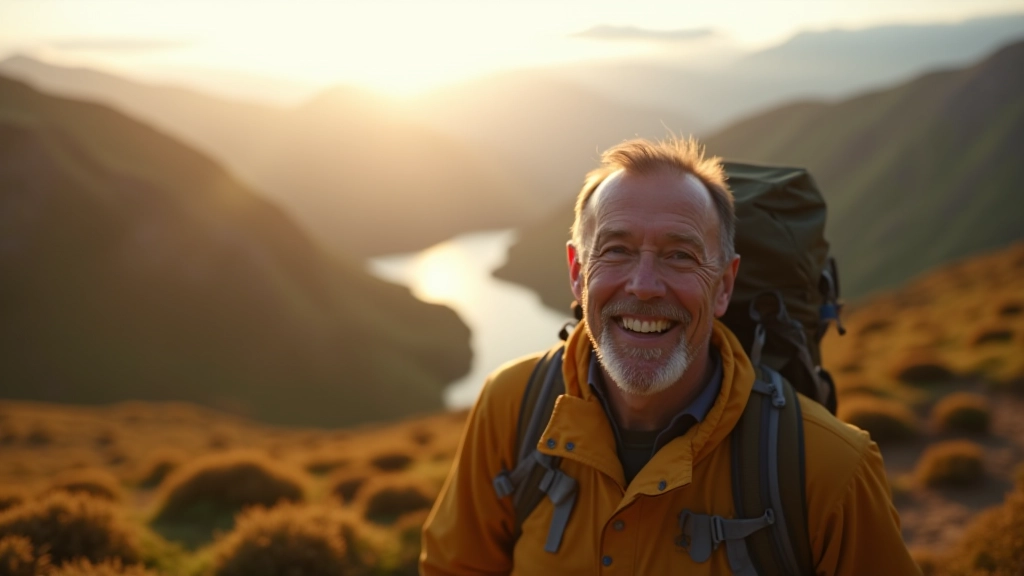
The first 20 minutes of a hike set the tone for the entire day. Start too fast and you'll pay for it. Start sensibly and you'll feel strong at the end.
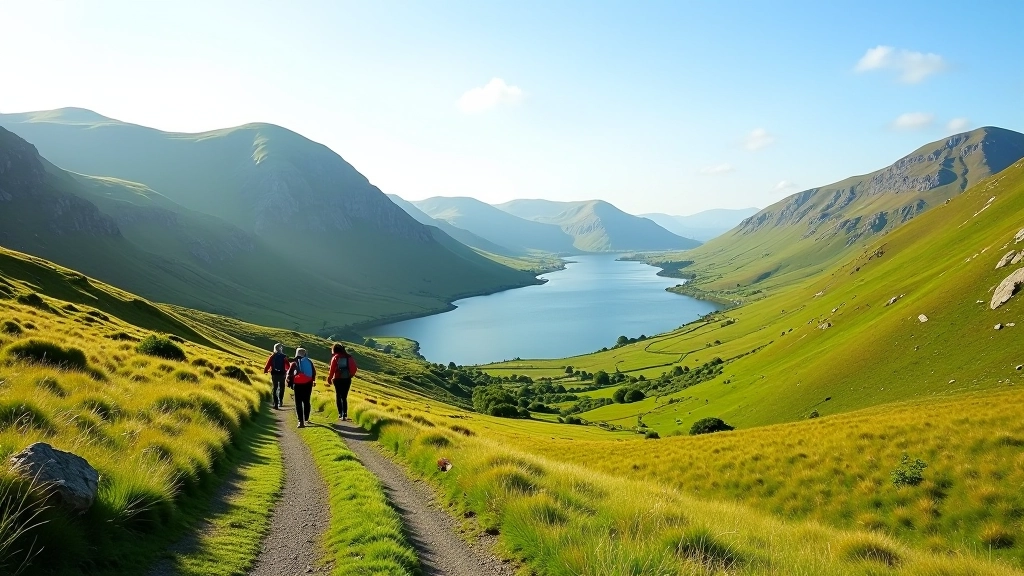
Aim for a pace where you can talk comfortably but not sing. That's roughly 4-5 kilometers per hour on flat ground, maybe 2-3 kilometers per hour on steep climbs. Doesn't sound fast? It's not supposed to be. You're climbing elevation, not running a 5K.
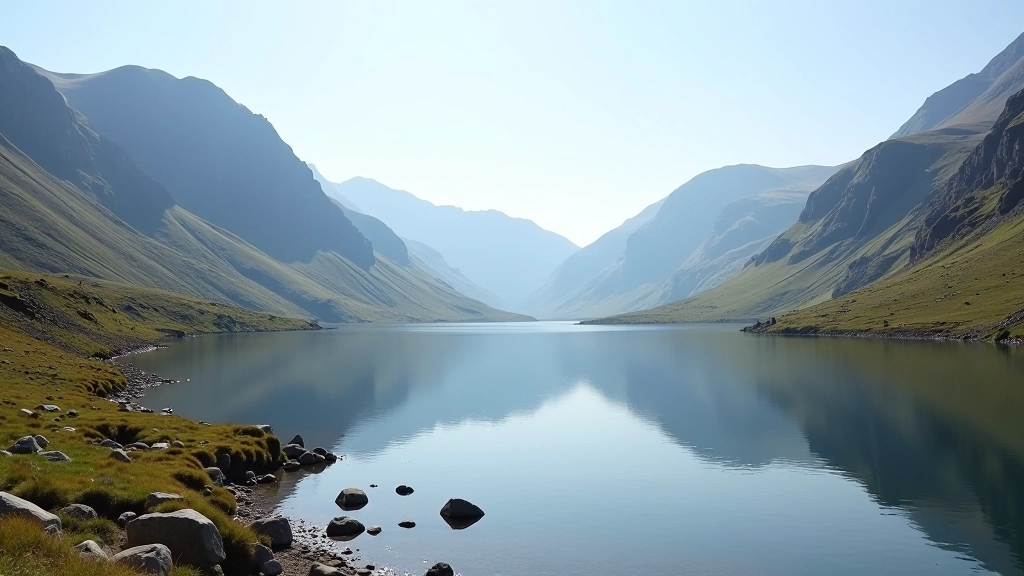
The Glanmore Lake approach gains about 250 meters over 3.5 kilometers. That's real climbing. Walking it at 2.5 km/h means you'll reach the lake fresh and ready to enjoy the views instead of gasping for air.
The first 20 minutes: This is your baseline test. If you're already breathing hard, you've started too fast. Dial it back.
Rest Before You're Exhausted
This is where most people mess up. They hike hard until they're absolutely shattered, then collapse for 15 minutes. Wrong approach.
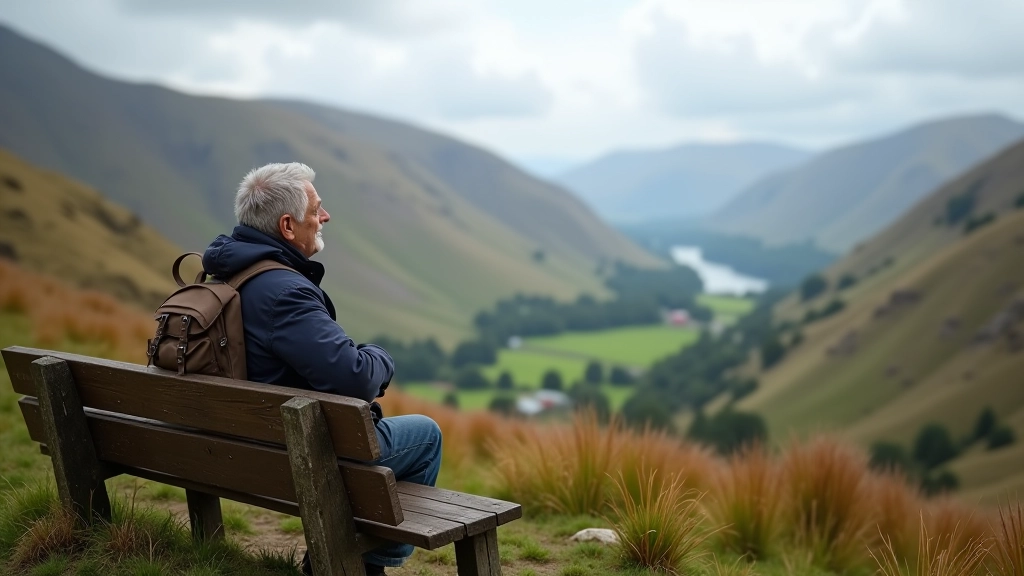
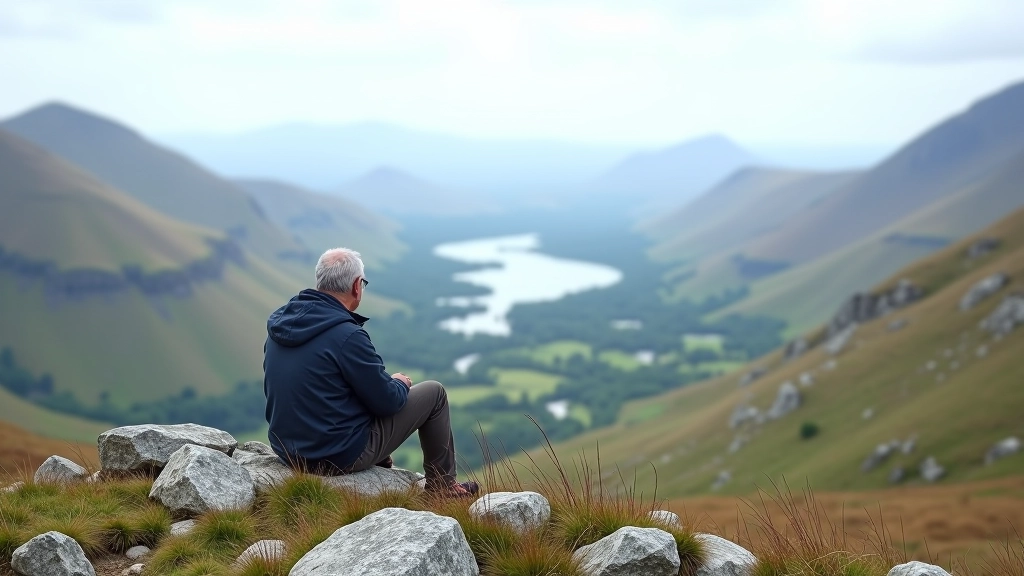
Instead, take short breaks every 45-60 minutes. Sit down for 5-10 minutes. Drink water. Eat something small. Your heart rate comes down. Your legs recover. You're ready to keep going without that drained feeling.
On Healy Pass, there's a natural rest spot at the Ski Lift car park (about 3.5 kilometers in). Perfect place to stop, catch your breath, check the view. Another good spot is at the saddle before the final climb to the summit. Don't wait until you're desperate — stop when you're still feeling okay.
1
Every 45-60 minutes: Take a 5-10 minute break
2
Sit down: Get weight off your feet completely
3
Refuel: Water, snacks, energy drink
Listen to Your Body (Not Your Ego)
Your body sends signals all day long. Sore knees. Heavy legs. Shortness of breath. Headache. Cramping. These aren't badges of honor — they're messages.
Pushing through genuine pain is stupid. Feeling a bit tired is normal. But if your knees are screaming, if you've got a cramp in your calf that won't release, if you're feeling dizzy — that's your body saying "slow down" or "stop."
The best hikers aren't the toughest. They're the smart ones who know when to back off, take an extra rest day, or call it a morning and head back down. There's no shame in that. The mountain will still be there next weekend.
Also watch for heat-related issues. On hot days, you'll tire faster. Drink more water than you think you need. If you're feeling nauseous or confused, that's heat exhaustion talking. Sit in shade, drink cool water, and don't move until you feel better.
Know Your Numbers
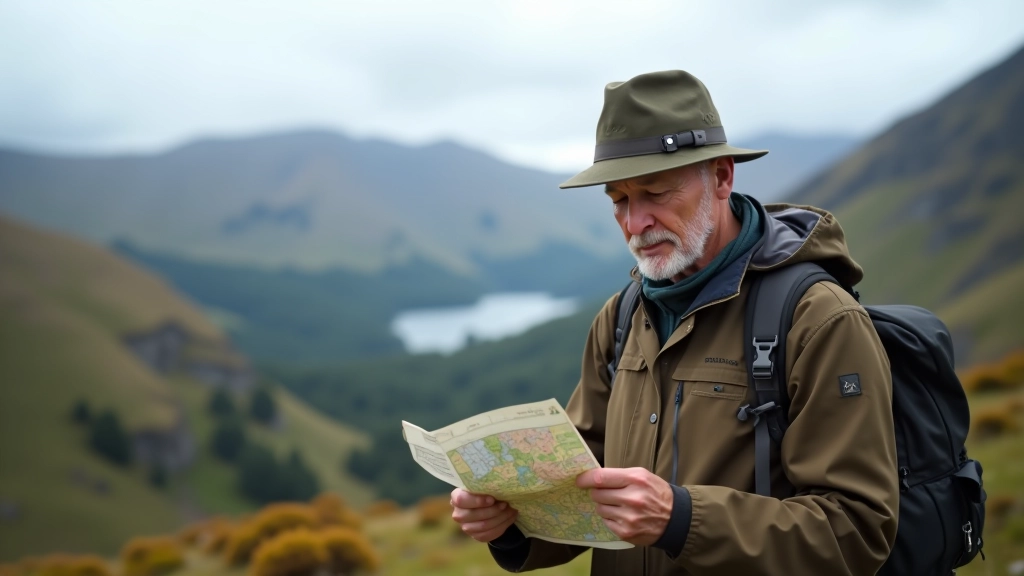
It helps to know what you're capable of. Not in a competitive way, but just so you can plan realistically.
A good baseline: on flat terrain with light pack, most people walk 4-5 kilometers per hour. Add elevation and that drops to 2-3 km/h. Add age, fitness level, or a heavier pack, and it drops further.
Glanmore Lake round trip is about 8 kilometers with roughly 250 meters elevation. At an easy pace with breaks, you're looking at 4-5 hours. Healy Pass is longer (about 12 kilometers round trip with 450 meters elevation gain) and takes 5-7 hours depending on fitness and how long you rest.
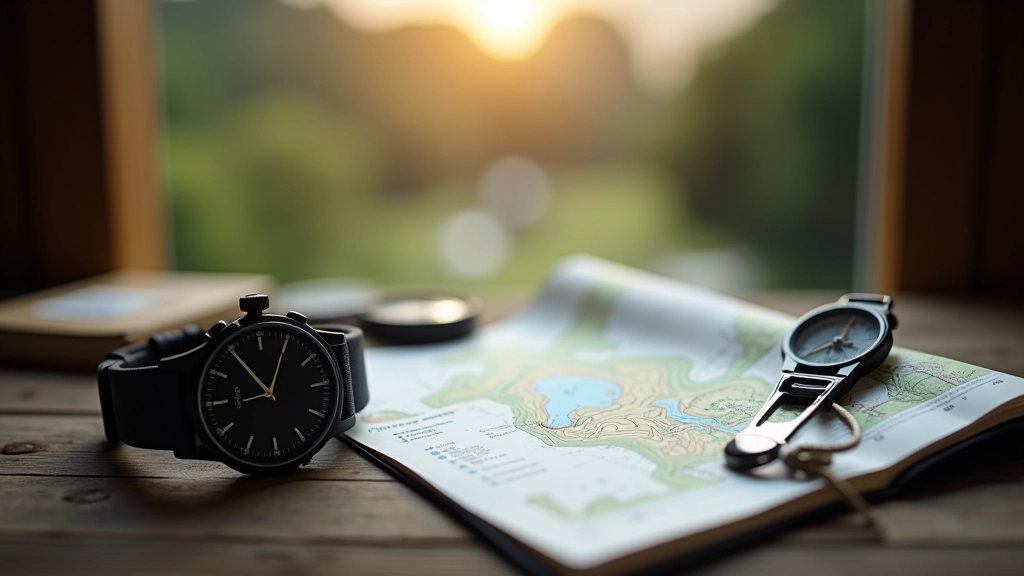
Don't just guess. Track a hike or two with a watch or app. See how long things actually take YOU. Once you know your pace, you can plan with confidence instead of stress.
Enjoy the Climb
Proper pacing isn't about finishing fast. It's about finishing strong. It's about being able to actually enjoy the view when you get there instead of collapsing in exhaustion.
Start slow. Take regular breaks. Listen to your body. Know your pace. Do these things and you'll not only complete Healy Pass or Glanmore Lake — you'll actually remember the experience as something good. And that's what hiking should be about.
Important Disclaimer
This article provides educational information about hiking pacing strategies based on general hiking principles and local terrain knowledge. It's not medical advice. If you have existing health conditions, joint problems, cardiovascular concerns, or any other medical issues, consult your doctor before starting a new hiking routine. Individual fitness levels vary significantly. What works for one person may not work for another. Always assess your own fitness, start conservatively, and adjust based on how you feel. Weather, trail conditions, and personal factors change daily — adapt your pace accordingly. Hiking involves inherent risks including falls, exposure, and altitude effects. Take responsibility for your own safety and always hike with appropriate preparation, gear, and awareness.

Related Articles