Getting Ready for Healy Pass — What to Bring
Essential gear list and clothing tips. We've broken it down by season so you're prepared for any weather the mountain throws at you.
The right gear makes all the difference on Healy Pass. You don't need fancy equipment or expensive brand names — just practical items that'll keep you comfortable and safe. We've put together a straightforward packing guide that covers what you actually need, what's nice to have, and what you can skip. Think of this as your checklist before heading up.
The Non-Negotiables
Some things you genuinely can't leave behind. These items keep you safe and mobile on the trail.
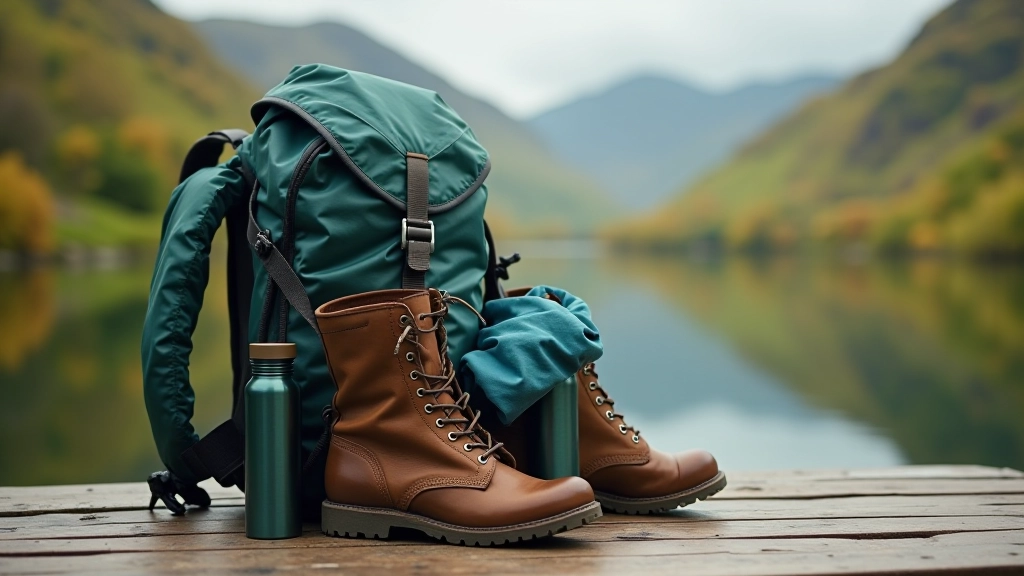
- Proper footwear — Waterproof hiking boots or trail shoes with ankle support. Don't wear trainers or street shoes. Your ankles and feet will thank you after 4-5 hours on uneven ground.
- Waterproof jacket — Kerry weather changes fast. Even if it looks fine when you leave, bring it. A cheap supermarket rain jacket works, but a proper hiking jacket is worth the investment.
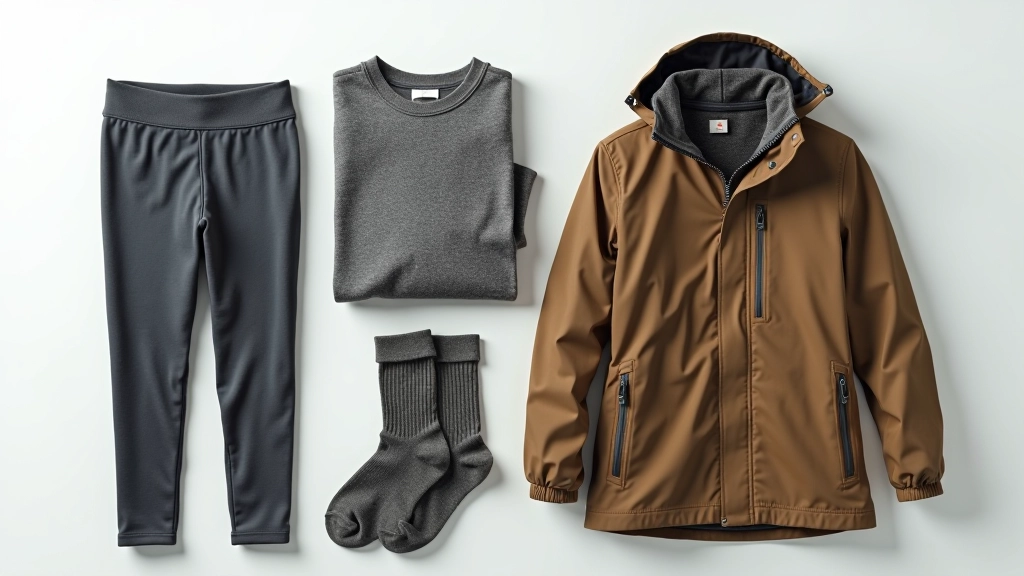
- Layers — Thermal base layer, mid-layer fleece or wool, and that jacket. You'll warm up once you start walking, and you'll need to shed layers as you climb.
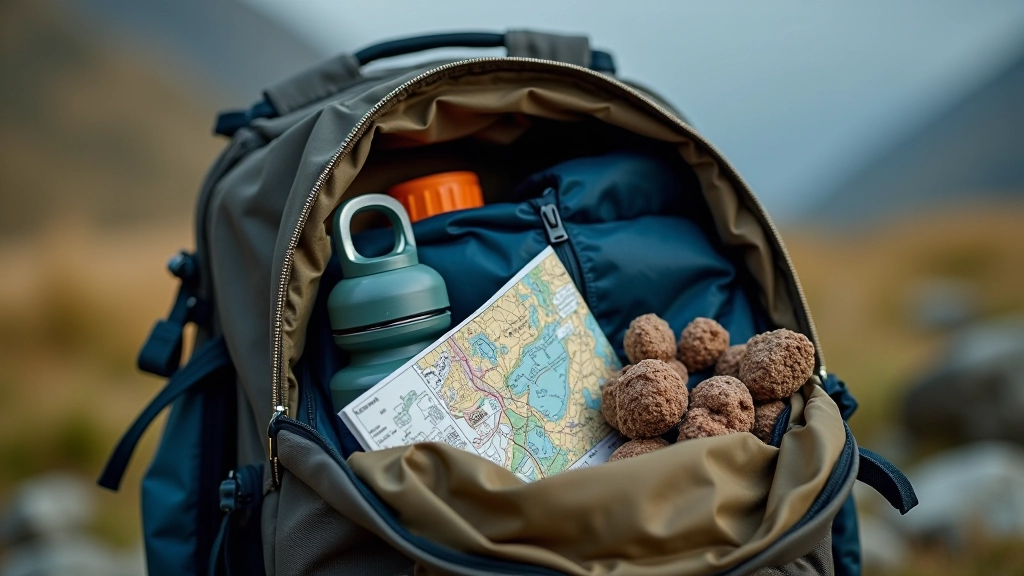
- Water and snacks — At least 1.5 litres of water. A small backpack with a few energy bars, fruit, or sandwiches. You can't buy food on the mountain.
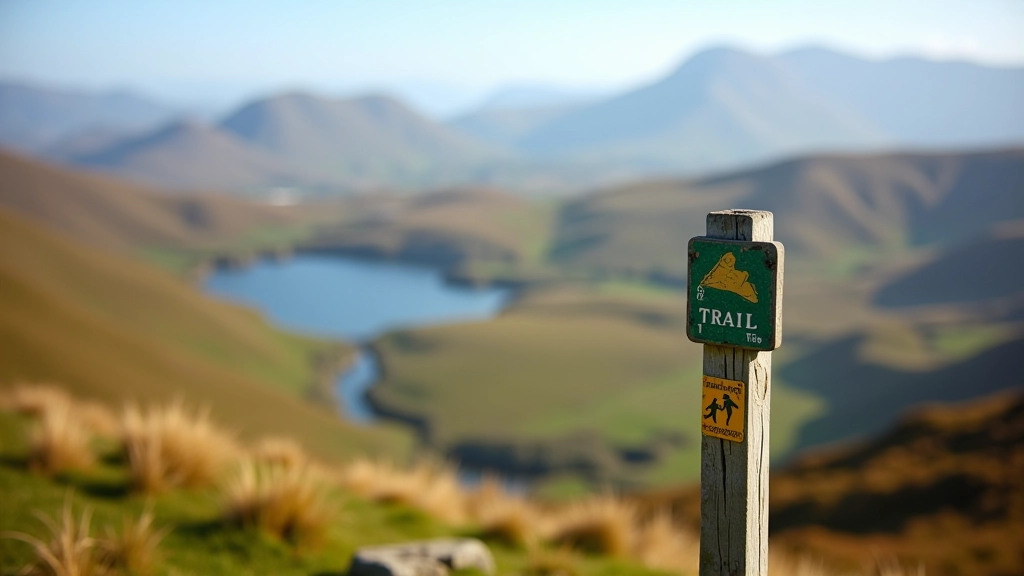
- Map or GPS — Download offline maps on your phone or carry a physical map. The pass has waymarked trails, but it's easy to take a wrong turn in poor visibility.
Dressing for the Mountain
Temperature drops about 1°C for every 100 metres of elevation gain. At the top of Healy Pass (645m), it'll be noticeably cooler than the carpark.
Spring & Autumn (March-May, September-November)
Thermal leggings or thick walking trousers, long-sleeved base layer, fleece or wool mid-layer, waterproof jacket, wool hat and gloves (yes, even in spring — wind chill is real), thick walking socks. The weather's unpredictable — be prepared for anything from rain to unexpected sunshine.
Summer (June-August)
You can skip the heavy thermal layers, but don't skip the waterproof jacket. Summer rain on the mountain is sudden and cold. Lightweight long-sleeved shirt, thin fleece, and regular walking trousers work well. Bring a hat for sun protection — there's no shade up there.
Winter (December-February)
This isn't a winter mountaineering route, but it gets serious. Full thermal base and mid-layers, insulated jacket, waterproof shell, thick hat that covers your ears, insulated gloves, and thermal socks. The wind at the top can be fierce, and wet conditions turn slippery fast. If there's ice, reconsider the hike — it's not worth the risk.
The Practical Additions
These items aren't essential, but they make the experience better. Most people wish they'd brought at least one of these.
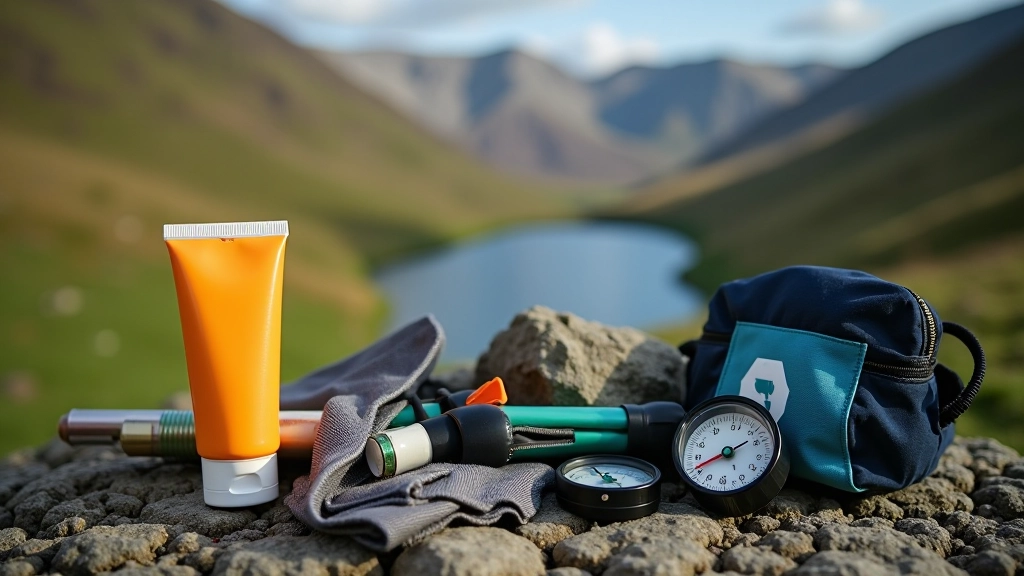
Sunscreen & lip balm
You're higher up and closer to the sun than you think. The reflection off exposed rock intensifies UV rays. SPF 30 minimum.
Walking poles
Reduce impact on knees going downhill. Especially helpful if you've got any joint concerns. They also help with balance on rocky sections.
Small first aid kit
Plasters for blisters, pain relief tablets, antihistamine for insect bites. Keep it minimal but useful.
Toilet paper & bag
There are no facilities on the mountain. Leave nothing behind — pack out what you pack in.
Headtorch or headlamp
Sunrise and sunset times vary. If you're planning to be out longer, bring a small light. You don't want to descend in darkness.
Phone battery pack
Mobile signal is patchy, but having battery for emergencies is important. A small 5000mAh pack doesn't weigh much.
Smart Packing Tips
You'll carry your gear for 4-5 hours. Lighter is better, but you can't cut corners on safety items.
- Get a proper backpack (20-30 litres) with a hip belt. It distributes weight better than shoulder bags and saves your back.
- Pack heavier items (water, snacks) low and close to your back. Lighter items go on top.
- Use compression sacks or stuff sacks to minimize bulk. Rolling clothes takes less space than folding.
- Wear your hiking boots before the day — break them in. New boots on a long hike cause blisters you won't forget.
- Test your backpack on a short walk first. You'll discover what you forgot or don't need.
This guide is informational and based on common hiking experience. Weather conditions, personal fitness levels, and individual circumstances vary widely. Always check current weather forecasts and trail conditions before heading out. If you have any health concerns, consult your doctor before undertaking strenuous activity. Mountain conditions can change rapidly — turn back if weather deteriorates or you feel unsafe. Healy Pass is suitable for many fitness levels, but it's your responsibility to assess your own capabilities honestly.

Explore More Routes